
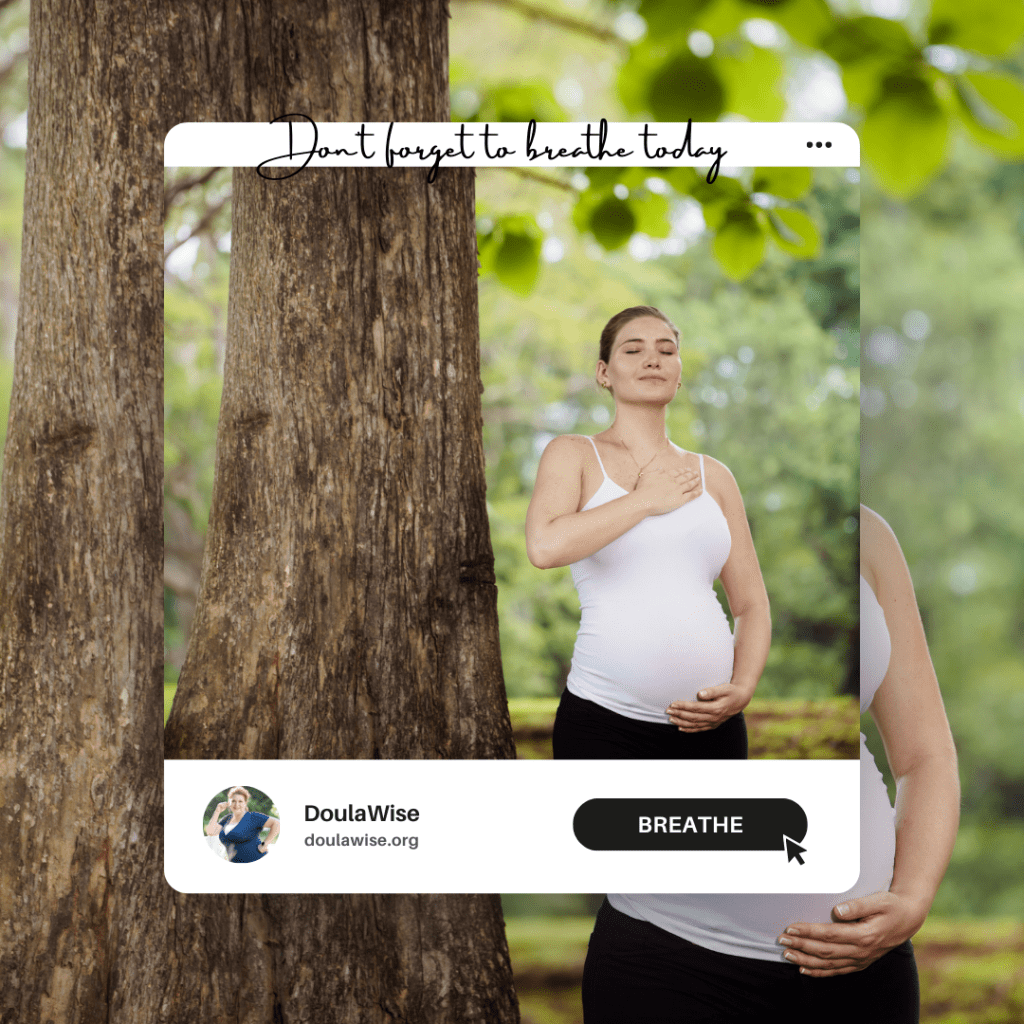
When we hear someone tell us to stop and breathe, have you mentally reacted with: But I AM breathing?! But what does that actually mean when someone asks you to breathe? Is it just that same in-out-in that we do without thinking?
Breath work means a lot more than just the automatic function our brains cause our muscles to do. The name alone tells us that there’s work to be done. It’s true that breathing is automatic, but when we are in a panicked, angry, defensive, or painful situation, our breath changes.
We have to train our bodies to breathe deeply. To shift our oxygen intake to a deeper level, so as not to only get blood flow to our limbs, but also to our brain and our core muscles. So that we can think clearly, feel fully what is going on, and reduce our flow of adrenaline.
This means to stop what we’re doing and think about the in and out of our breath, expand our lungs, our chest, belly and back. Feel our bodies get full of air. Notice the flow of blood to our center, and feel our heart awaken to more than the frustrations around us. When we do this, it reduces anxiety and stress. It allows us to think more clearly and release tension building in our oxygen-deprived muscles.
It’s important to do this when we aren’t in the height of negative emotions, but rather when we are going about normal routines. If we can do this as a normal routine it will make it easier and then become automatic when we feel that tension rise. So, why do we need to know this in labor?
Labor is a lot of hormones flowing, including adrenaline, which causes tension in our bodies. If we can relax into the sensations, the tension doesn’t build, and the intensity of what we feel is less painful. This doesn’t mean you won’t feel pain, or that if you do feel pain, you failed or did it wrong. It’s a tool for reducing stress and pain, and with the assistance of your partner and doula, you can manage through the intense moments of labor better.
This doesn’t just affect how you are feeling, but also affects how your baby is reacting to labor. Good breathing by you means your baby is also able to take in more oxygen. Think about swimming and plunging under water. If you first dip under, you have lots of oxygen reserve and you’re not struggling when you come up after a little while. Keep going under, however, and you soon find yourself unable to hold your breath for long. You have to replenish your oxygen reserve. And that means deep breathing. Your muscles are contracting and restricting flow to and from the placenta during those waves, so it’s harder to get oxygen and blood to your baby during that short duration. When you breathe deeply, your baby replenishes their reserve. To keep baby from going into distress during labor, practicing your breathing now will help you and them during those long and powerful contractions.
 DoulaWise